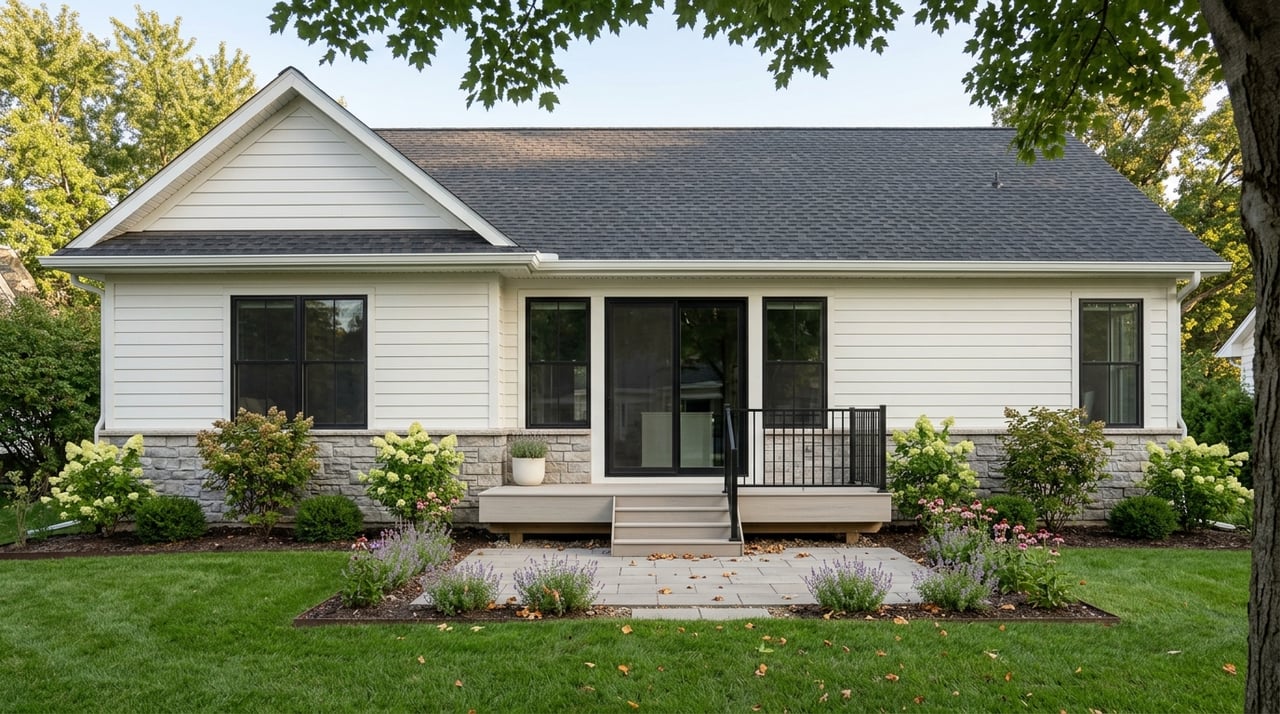
Trying to decide between a brand-new home and an established neighborhood in New Richmond? You are not alone. Many buyers want the clean finishes and lower-maintenance appeal of new construction, but they also love the mature streets, quicker move-in timelines, and renovation potential that often come with resale homes. The good news is that New Richmond offers both, and the right fit depends on how you want to live, what you want to spend, and how quickly you need to move. Let’s dive in.
New Richmond gives you real options
New Richmond is a growing city, not a market with just one type of housing. The U.S. Census Bureau estimates the 2024 population at 10,879, which is up 7.9% from 2020. That growth helps explain why buyers are seeing both active new subdivisions and continued demand for established homes.
The local affordability picture also matters when you compare your options. Census figures show a median owner-occupied home value of $285,100, a median monthly owner cost with a mortgage of $1,736, and a median gross rent of $1,168. Those numbers are not your exact budget, but they do offer a useful local benchmark as you weigh a new build against an existing home.
The City of New Richmond’s 2025 housing fee report shows that new construction is still moving forward. In 2025, the city issued 128 residential 1- and 2-family permits for 129 dwelling units, along with two multifamily projects totaling 16 units. The report also notes subdivision activity in Rich River Trails, Fox Run 7th Addition, Cattail Villas, and Fox Run 8th Addition.
Just as important, the city reported 332 open buildable lots and 2,356 acres ready for platting. That means your search is not limited to a simple choice between old homes and a few scattered new ones. In New Richmond, you may be choosing among resale inventory, builder inventory, and lots for future construction.
Why buyers choose new construction
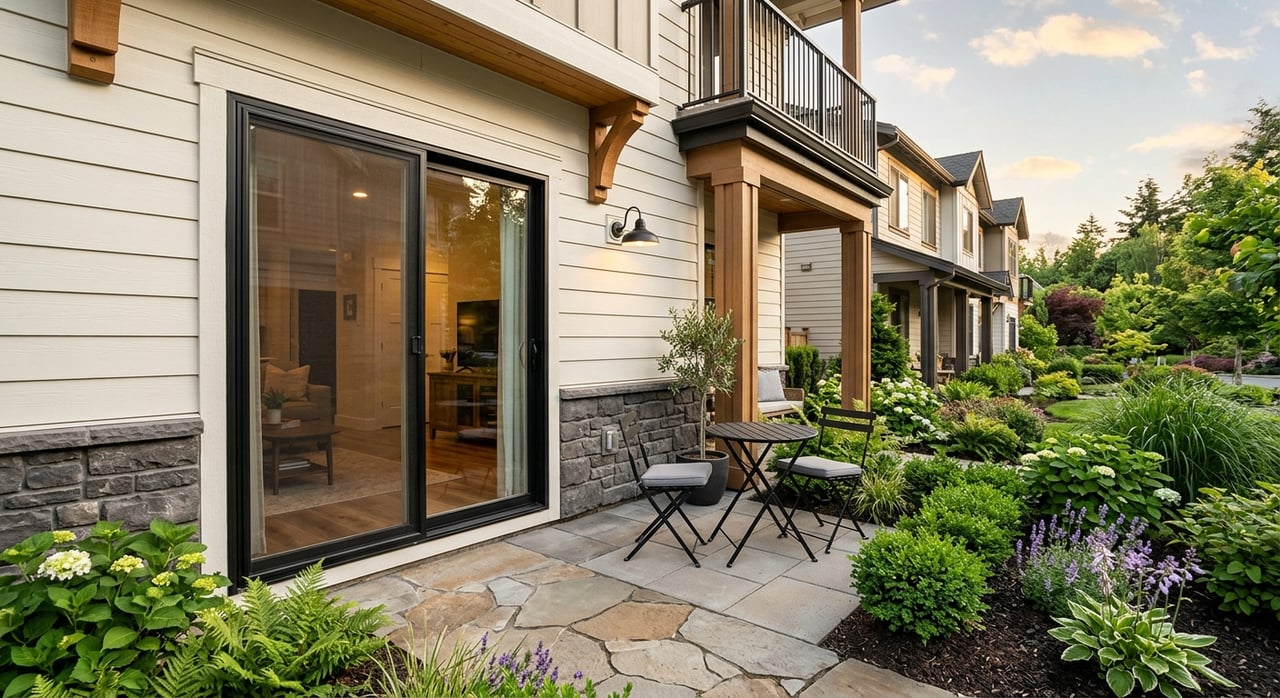
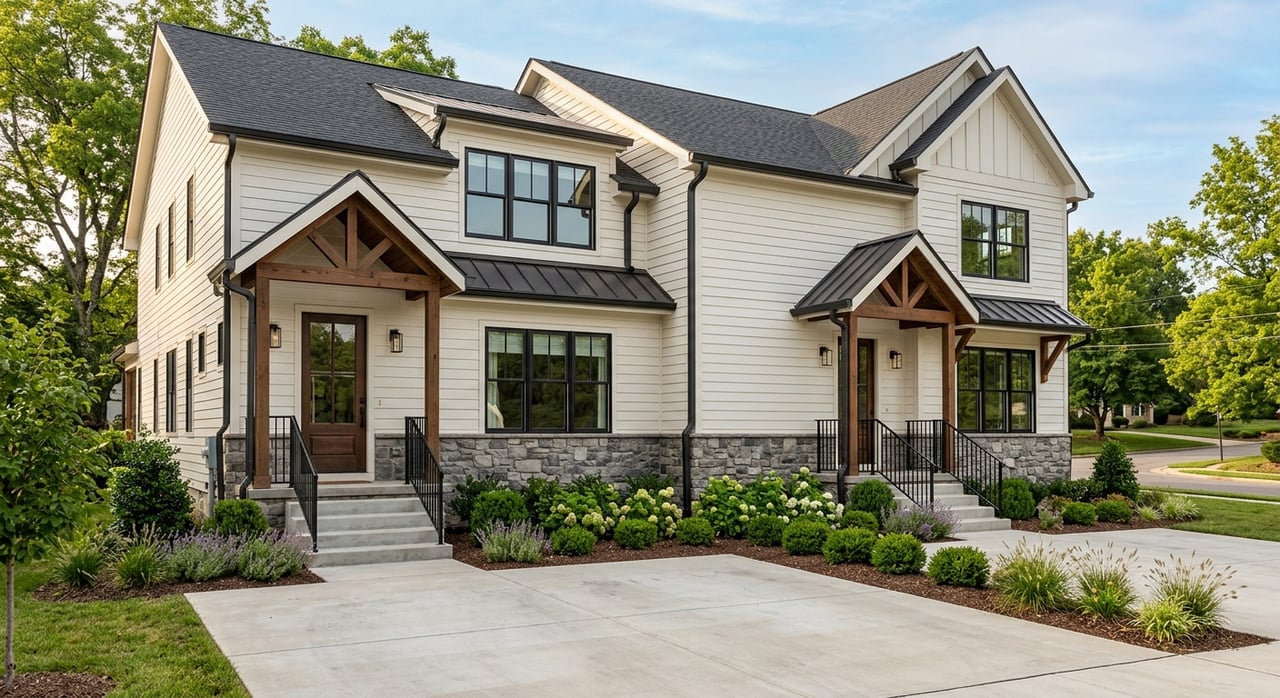
New construction often appeals to buyers who want a more predictable starting point. In New Richmond, newer communities tend to feature modern floor plans, with some offering main-level living, paired homes, and single-family options. Current local examples include Rich River Trails and Meadow Crossing.
For many buyers, the biggest advantage is layout. Newer homes are more likely to reflect how people live today, with open main spaces, newer kitchens, and less immediate updating needed after closing. If you want a home that feels move-in ready from day one, new construction may line up well with your priorities.
Energy performance can be another plus. The U.S. Department of Energy says new homes built to current standards start from a stronger efficiency baseline than many older homes. That does not guarantee identical utility costs from one house to another, but it does mean newer homes often begin with more up-to-date insulation, systems, and code requirements.
Maintenance is part of the conversation too. With a newly built home, major systems, finishes, and materials are typically brand new. If you want to reduce the chance of tackling repairs right after move-in, that can be a meaningful benefit.
New construction costs to watch
A model home price does not always reflect the full cost of building. The City of New Richmond reports that single-family and twin-home impact fees total $10,908 before land, infrastructure, labor, and materials. That is why it is important to ask what is included in the base price and what counts as an upgrade.
You will also want to ask about timing. The city says the building permit process is usually ten days or less once an application is complete, but your full timeline still depends on lot availability, builder schedules, materials, and weather. If you need to move quickly, that timeline can affect your decision.
HOA rules can vary
One common assumption is that all new construction comes with the same type of homeowners association. In New Richmond, that is not the case. Local examples show both no-HOA and HOA-maintained neighborhoods, so it is worth reviewing each community carefully.
When you compare neighborhoods, ask simple but important questions:
- Is there an HOA?
- What are the dues?
- What does the HOA maintain?
- Are there design or exterior restrictions?
- Are there rules that affect fences, sheds, or landscaping?
That last point matters because New Richmond requires permits for fences, and residential districts do not allow electric or barbed-wire fences. If outdoor space is a priority, it helps to understand both neighborhood rules and city requirements before you buy.
Why buyers choose established neighborhoods
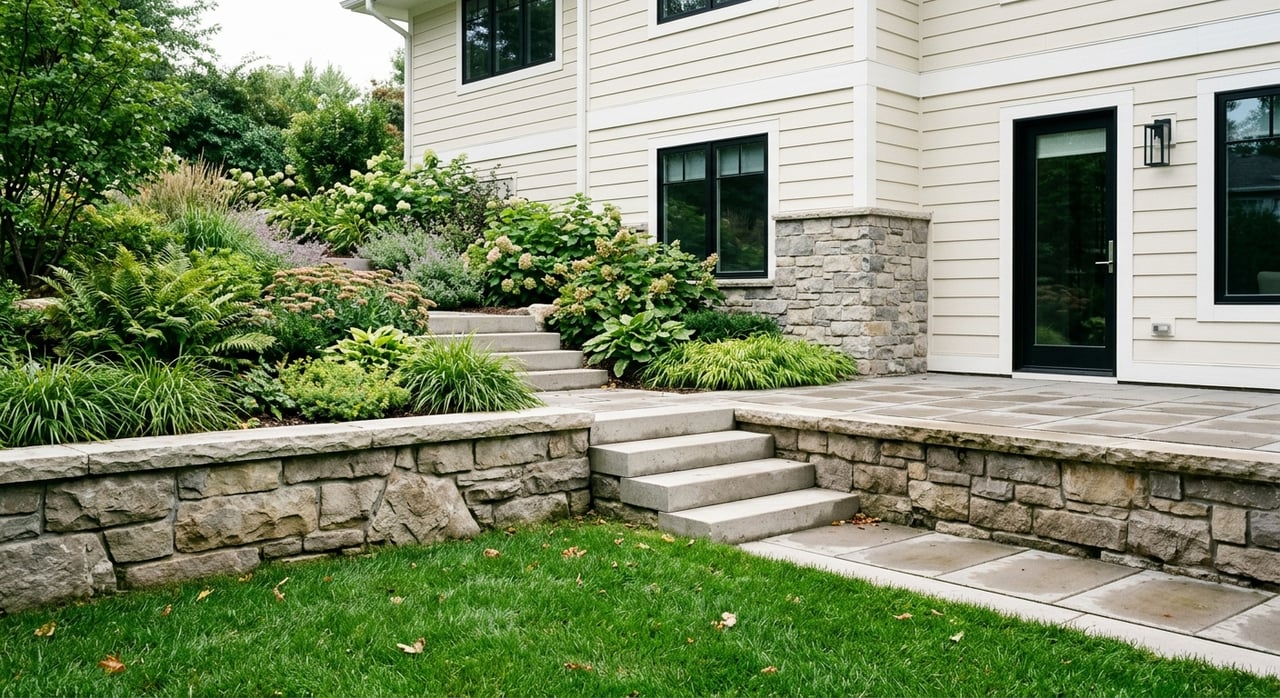
Established neighborhoods offer a different kind of value. In many cases, you may find older street patterns, mature lot layouts, and homes with more visible individuality than you would see in a newer subdivision. For buyers who want character or prefer a less standardized streetscape, that can be very appealing.
An existing home can also make sense if speed matters. In general, resale homes offer the chance for a faster closing than a build from the ground up. If your move has a firm deadline, an established neighborhood may give you more practical options.
There is also the renovation factor. Older homes often give you the chance to improve the property over time instead of paying for every finish and feature upfront. According to the U.S. Department of Energy, owners of existing homes can improve efficiency through steps like air sealing, caulking, weather stripping, and efficient lighting.
Older areas can mean more upkeep
The tradeoff is that older neighborhoods may come with more maintenance, repairs, or nearby infrastructure work over time. New Richmond’s 2023 capital plan describes reconstruction work on Minnesota Avenue and South Dakota Avenue, noting pavement about 50 years old and in poor condition with structural deterioration. That is a practical example of what can happen in more established areas.
This does not make an older neighborhood a bad choice. It simply means you should look closely at the age of the home, the condition of major systems, and any signs of deferred maintenance nearby. Character can be a real plus, but it often comes with a different ownership experience than new construction.
Resale inventory may move fast
Some buyers assume existing homes offer endless choices, but that may not be true in New Richmond. A local housing report noted only five vacant homes and one vacant mobile home at the time of the report. That suggests well-located resale inventory may be tighter than expected, even while new subdivisions remain active.
If you are focused on an established neighborhood, be ready to act when the right home comes up. A clear budget, strong financing plan, and a short list of must-haves can help you move with confidence.
How to compare the two
The best choice usually comes down to your lifestyle and decision-making style. New construction tends to fit buyers who want modern layouts, a stronger efficiency baseline, and less immediate maintenance. Established neighborhoods often fit buyers who want faster occupancy, more variation in lot and home style, and room to improve the property over time.
Here is a simple way to compare your priorities:
| Priority | New Construction | Established Neighborhood |
|---|---|---|
| Move-in condition | Usually stronger | Varies by home |
| Floor plan style | More modern | More varied |
| Maintenance early on | Often lower | Often higher |
| Closing timeline | May take longer | Often faster |
| Upgrade approach | Pay upfront | Improve over time |
| Neighborhood rules | Varies by community | Varies by property and city rules |
This is where local guidance matters. A builder community may look straightforward until you review fees, timelines, and association details. An older home may seem like a better value until you factor in repairs, updates, and how quickly inventory is moving.
Neighborhood factors beyond the house
Your decision is not just about the home itself. It is also about how the location supports your daily life. In New Richmond, buyers often weigh proximity to parks, trails, schools, and future growth.
For outdoor recreation, Willow River State Park is a notable local amenity with about 2,800 acres, plus trails, camping, a beach, picnic areas, biking, fishing, and swimming. The city’s capital plan also includes trail improvements intended to connect orphaned trail segments, which may matter if walkability and outdoor access are important to you.
For households thinking about school logistics, the New Richmond School District serves PK-12 across six schools. NCES reports 3,502 students and a 14.9:1 student-teacher ratio for 2024-25. District planning materials also note community concerns about facilities and future growth, which makes school location and enrollment patterns a practical part of your home search.
A smart New Richmond decision starts with fit
In New Richmond, this is not a question of which option is better in the abstract. It is a question of which option fits you better right now. The city has active subdivision growth, available lots, and continuing buyer interest in established areas, so your best choice depends on your budget, timeline, maintenance tolerance, and comfort with HOA rules or future renovations.
If you want a polished, low-maintenance starting point, new construction may be the better path. If you want a quicker move, a more established setting, or the chance to build equity through updates over time, an existing home may be the stronger match. The key is comparing total cost, not just list price, and staying focused on how you want to live day to day.
When you are ready to compare neighborhoods, builder communities, and resale opportunities in New Richmond, Platinum Real Estate Team can help you sort through the details and make a confident move.
FAQs
What is the main difference between new construction and established neighborhoods in New Richmond?
- New construction in New Richmond usually offers more modern floor plans, newer systems, and a stronger energy-efficiency baseline, while established neighborhoods often offer faster move-in opportunities, more varied home styles, and room to renovate over time.
Are there HOA fees in New Richmond new construction neighborhoods?
- It depends on the community. Local examples show both no-HOA and HOA-maintained neighborhoods, so you should review dues, services, and restrictions for each property you consider.
Is new construction active in New Richmond right now?
- Yes. The City of New Richmond’s 2025 housing fee report shows active permitting, subdivision activity, 332 open buildable lots, and additional acreage ready for platting.
Do established neighborhoods in New Richmond come with more maintenance?
- They can. Older homes and older infrastructure may mean more upkeep, repairs, or nearby street work over time, so it is smart to evaluate the age and condition of both the house and surrounding area.
How fast do resale homes move in New Richmond?
- Existing-home inventory may be tighter than many buyers expect. A local housing report noted very low vacancy, which suggests buyers may need to make decisions quickly when the right resale home becomes available.
What local rules should buyers know before improving a New Richmond property?
- New Richmond requires permits for fences, and residential districts do not allow electric or barbed-wire fences. If you are planning outdoor improvements, it is wise to confirm both city requirements and any neighborhood restrictions.