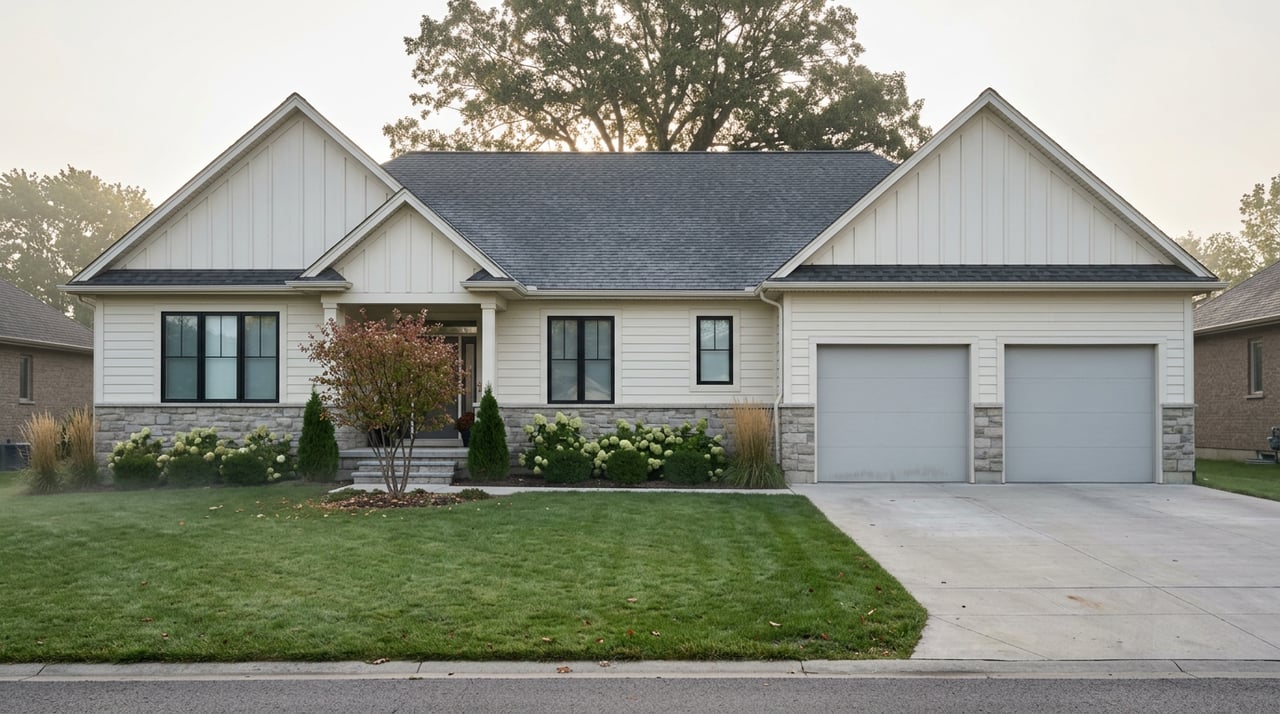
A house near the Apple River goes under contract in Somerset. The buyer's agent orders a standard home inspection. Two weeks before closing, the lender calls asking for well and septic documentation nobody thought to pull. The seller assumes Wisconsin doesn't require any of this at the time of sale, and technically they're right. What they didn't know is that St. Croix County has been tracking their septic system for years, whether they ever looked at the file or not.
That's the gap that catches sellers off guard here. Wisconsin's Department of Natural Resources is clear that state law does not require a well inspection or water test as a condition of a property transfer. But St. Croix County runs its own sanitary program under Chapter 12 of the county code, and it has required private wastewater systems to be inspected or pumped at least once every three years since a state mandate handed the county that job back in 2005. If your Somerset home has a septic system, the county already has an opinion about it. The only question is whether you've read it before a buyer's lender does.
The State Rule Everyone Quotes, and the Local One They Miss
Ask five people in Somerset whether a septic inspection is required to sell a house and most will tell you no, and they aren't wrong at the state level. The DNR's own guidance says a well inspection is not mandated for a property transfer and that the agency isn't part of the transaction at all. What that guidance doesn't say, because it isn't the DNR's job to say it, is that county government fills the gap.
St. Croix County's Community Development Department maintains a maintenance record for every private onsite wastewater treatment system, or POWTS, in the county. If a system hasn't been serviced or inspected in the past three years, the county sends a maintenance notice to the property owner. That notice has nothing to do with whether the home is for sale. It's a standing county requirement that keeps running in the background of every Somerset property, and it means the record a buyer's lender or agent goes looking for either already exists or is conspicuously missing.
The same layered logic applies to wells. If a well inspection is performed as part of a sale, state law has required since June 1, 2008 that it be done by a licensed well driller or licensed pump installer, not a general home inspector. That's a detail worth sitting with. A buyer who assumes their standard inspection covers the well is often wrong, and a seller who assumes the same thing can find that out at the worst possible moment in the transaction.
What the County Record Can Tell You Before a Buyer Asks
St. Croix County stores sanitary permits and maintenance history in its Ascent Permit Management system, and any owner can look up their own parcel before it ever hits the market. Pulling that file before listing tells you a few things that matter more than most sellers expect:
- Whether your last septic service was reported to the county, or whether you're the reason a maintenance notice might already be sitting in someone's inbox
- The date and type of your original sanitary permit, which matters if a buyer's agent asks how old the system is
- Whether any repair or reconnection work was permitted and closed out properly, since unpermitted work is the kind of thing that surfaces in a title search or a sharp-eyed inspector's report
None of this requires hiring anyone. It requires ten minutes with a parcel number. Sellers who do this before listing walk into negotiations with an answer instead of a promise to look into it, and that difference tends to matter more in a fast-moving Somerset market where buyers don't want to wait on paperwork.
Why This Catches More Sellers Here Than It Used To
Somerset isn't the same village it was five years ago. The Village of Somerset's economic development office has been actively courting new investment, and the new Somerset Commerce Center is a 45 acre development built specifically to bring more businesses into town. Rapid Marine, a long-running Minnesota boat dealership, opened its first Wisconsin location at 102 Aspen Drive in Somerset in early 2026, choosing the village specifically for its access to Hudson, Stillwater, New Richmond and the rest of the St. Croix River Valley. Downtown has seen its own quiet turnover too, with older buildings on Main Street converted into new coffee shops, bakeries and studios.
Growth like that pulls in buyers and sellers who assume Somerset works the way a Twin Cities suburb does, with municipal water and sewer handling everything behind the scenes. Some of it does. Newer subdivisions like Whispering Pines were built with that infrastructure in mind. But plenty of Somerset, especially the older homes near downtown and the river-adjacent properties along the Apple River, still run on private wells and septic systems that predate the subdivisions entirely. A seller who bought into a newer development five years ago and assumes the rest of the village works the same way can be genuinely surprised to learn their own home has a septic tank the county has been tracking since before they owned it.
The Cost Math When the File Comes Up Short
If your septic record turns out to be current, this is mostly a non-issue. If it's overdue, the numbers are worth knowing before you're negotiating from a weaker position. A routine three-year maintenance check in Wisconsin typically runs $200 to $400. A more comprehensive point-of-sale inspection, the kind a buyer's lender might specifically request, tends to run higher, often $300 to $600, because it usually involves opening the tank and walking the drainfield rather than just checking sludge levels.
Those numbers matter less than the timing. A seller who checks the county record in advance and schedules a routine inspection on their own terms pays the lower end of that range and controls the calendar. A seller who finds out mid-contract that their system is overdue is now paying for an inspection under deadline pressure, often with a buyer's financing clock running at the same time. The dollar difference is modest. The leverage difference is not.
If You're Near the Apple River, There's One More Layer
Wisconsin's baseline setback rules require a septic system to sit at least 50 feet from a private well, but shoreland zoning near navigable water often imposes stricter local requirements than that state minimum. Somerset's Apple River frontage falls into that category. If your property sits close to the river, any conversation about repairing, relocating or replacing a septic system needs to start with the county zoning office rather than a general contractor, because the standard statewide rule may not be the rule that actually applies to your parcel.
This is exactly the kind of detail a seller wants settled before listing, not during a due diligence period when a buyer's engineer is asking questions the seller can't answer.
A Few Questions Worth Asking Before You List
Does every Somerset home have a septic system? No. Newer developments built with municipal infrastructure in mind, including parts of Whispering Pines, are connected to public systems rather than private wells and septic. The distinction matters enough that it's worth confirming rather than assuming, especially if you bought more recently and never had reason to ask.
Can my regular home inspector check the well? Not for compensation, under Wisconsin law. Only a licensed well driller or licensed pump installer can make a professional statement about a well's condition, location or performance as part of a real estate transaction. A standard home inspection covers plumbing inside the house, not the well itself.
What if the county maintenance notice says my system is overdue? It doesn't mean the system has failed. It means the county hasn't received a report in the required three-year window. Scheduling a service call and having your provider file the report with the county typically resolves it, and doing that before you list is far less stressful than doing it while a buyer's financing deadline is ticking.
Somerset's growth is a genuinely good story for the village, but it also means more transactions are happening on properties where the seller has never had to think about a septic file that's been sitting quietly in a county database for years. Checking it early costs nothing and tells you exactly where you stand.
If you're weighing a sale in Somerset and want a clear picture of where your property stands, from the septic file to what similar homes nearby have actually closed for, reach out to Jessica Johnson and the Platinum Real Estate Team. Request your complimentary home valuation and get answers before a buyer's lender asks the questions for you.


